
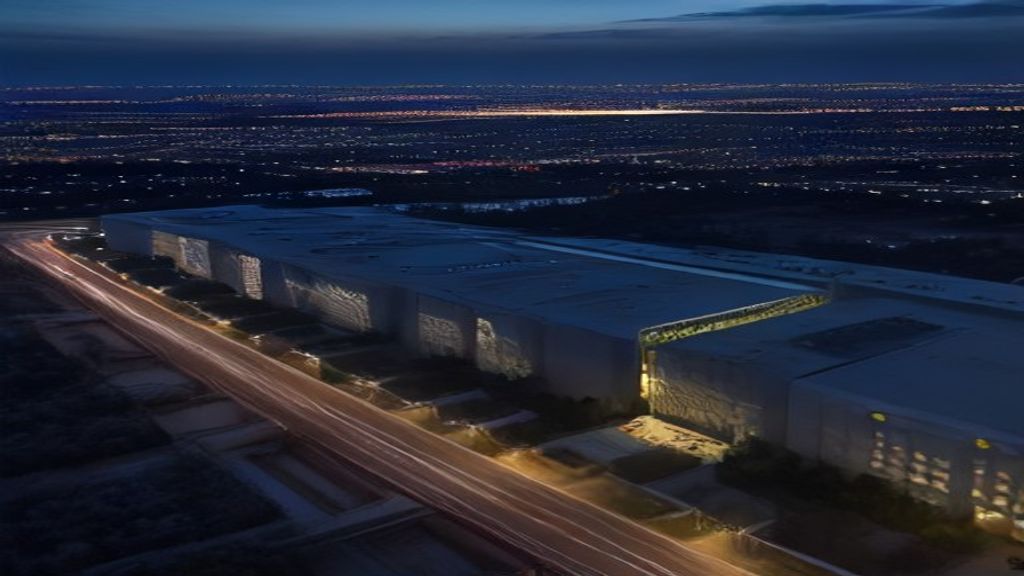
“An institutional-grade analysis of India's logistics real estate supercycle: exploring how Grade-A warehousing formalization, manufacturing capex, and supply chain decentralization position Mumbai, Delhi-NCR, and Bengaluru at the forefront of APAC rental growth.”
India’s Logistics Real Estate Supercycle: Why Mumbai, Delhi-NCR, and Bengaluru Lead APAC Growth
The Asia-Pacific logistics real estate landscape is experiencing a structural pivot. While mature gateway hubs across East Asia navigate macroeconomic headwinds and stabilizing rental yields, India’s primary industrial corridors—Mumbai MMR, Delhi-NCR, and Bengaluru—are demonstrating unprecedented resilience, posting robust double-digit rental escalations and persistent institutional cap rate compression.
Backed by nationwide infrastructure integration, supply chain formalization under GST, and massive manufacturing capital expenditure, India's logistics assets have transitioned from speculative secondary assets to core institutional portfolio anchors.
🏗️ The Grade-A Institutionalization Wave
Historically characterized by fragmented, unorganized go-downs, the Indian warehousing sector is witnessing a systemic flight-to-quality. Institutional Grade-A logistics parks now command over 60% of gross absorption across tier-1 nodes, driven by stringent compliance requirements, automation readiness, high floor load capacities, and ESG-mandated structural frameworks.
Global institutional investors—including sovereign wealth funds and tier-one private equity managers—continue to deploy patient capital into joint ventures and platform acquisitions, consolidating fragmented land parcels into high-throughput fulfillment centers.
📈 The Macro Drivers: Capex, PLI, and Supply Chain Decentralization
Three sovereign-level catalysts are driving this sustained rental outperformance:
- National Logistics Policy (NLP) & Gati Shakti: Multi-modal connectivity corridors, dedicated freight corridors (DFCs), and expressway networks are compressing transit lead times by 25–35%, reshaping distribution topology.
- Production Linked Incentive (PLI) Schemes & China+1: Manufacturing resurgence across electronics, automotive, and pharmaceuticals is creating decentralized demand nodes beyond consumption-centric fulfillment.
- Omnichannel & 3PL Domination: Third-party logistics (3PL) and quick-commerce operators are expanding micro-fulfillment and regional distribution centers (RDCs) to maintain sub-24-hour service level agreements (SLAs).
📍 Regional Asset Performance: Mumbai, Delhi-NCR, and Bengaluru
1. Mumbai MMR (Bhiwandi, Panvel, Taloja)
Constrained by natural land scarcity and coastal topography, Mumbai commands the highest rental premiums in the country. Grade-A rental growth in clusters like Bhiwandi and NH-4 corridors has maintained an upward trajectory of 8–12% year-on-year, supported by proximity to the Nhava Sheva (JNPA) container terminal and mega-consumption density.
2. Delhi-NCR (Farrukhnagar, Luhari, Tauru)
Representing the single largest warehousing consumption hub by gross volume, NCR continues to capture institutional supply. The operationalization of the Western Peripheral Expressway (KMP) has decentralized heavy logistics away from urban centers while maintaining under 10% structural vacancy for Grade-A spaces.
3. Bengaluru (Hosakote, Nelamangala, Bommasandra)
Bengaluru’s industrial ecosystem remains anchored by auto-ancillaries, high-tech manufacturing, and retail e-commerce. Strategic land tightness around eastern and northern corridors has compressed yields, accelerating developer focus on multi-tier and high-cube automated facilities.
📉 Yield Compression Relative to APAC Benchmarks
While gateway markets such as Tokyo, Sydney, and Singapore face tightening spreads amid elevated interest rate environments, Indian prime warehousing assets offer attractive entry yields between 7.5% and 8.5%. With projected rental escalations compounding at 7–10% annually, risk-adjusted returns on Indian Grade-A industrial real estate continue to outperform traditional commercial office and retail yields on a 5-year rolling horizon.
🔮 Institutional Strategic Outlook
As supply chain decentralization accelerates and multi-modal logistics parks (MMLPs) become operational, investors and occupiers must prioritize asset-level forensic due diligence, focusing on clear title certifications, zoning compliance, environmental feasibility, and power load availability to mitigate downstream operational friction.
To evaluate institutional-grade logistics acquisitions and access bespoke asset-level valuation models, visit PropVeda for the full forensic property report.