“Explore why Delhi NCR's ultra-wealthy are shifting capital from hyper-inflated luxury condominiums to peripheral land and premium farmhouses in this deep financial analysis.”
🏢 The Valuation Peak of Core Vertical Luxury
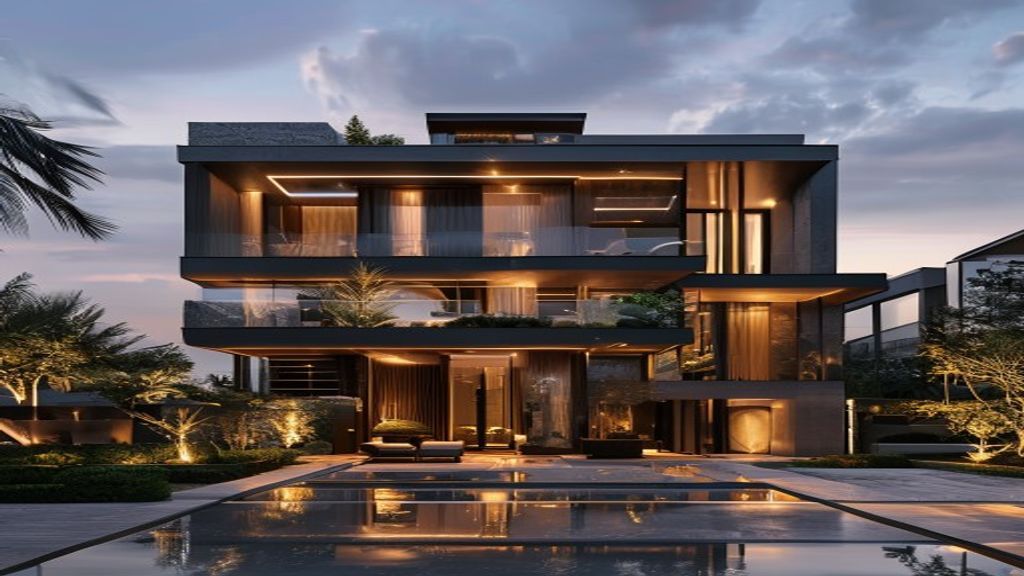
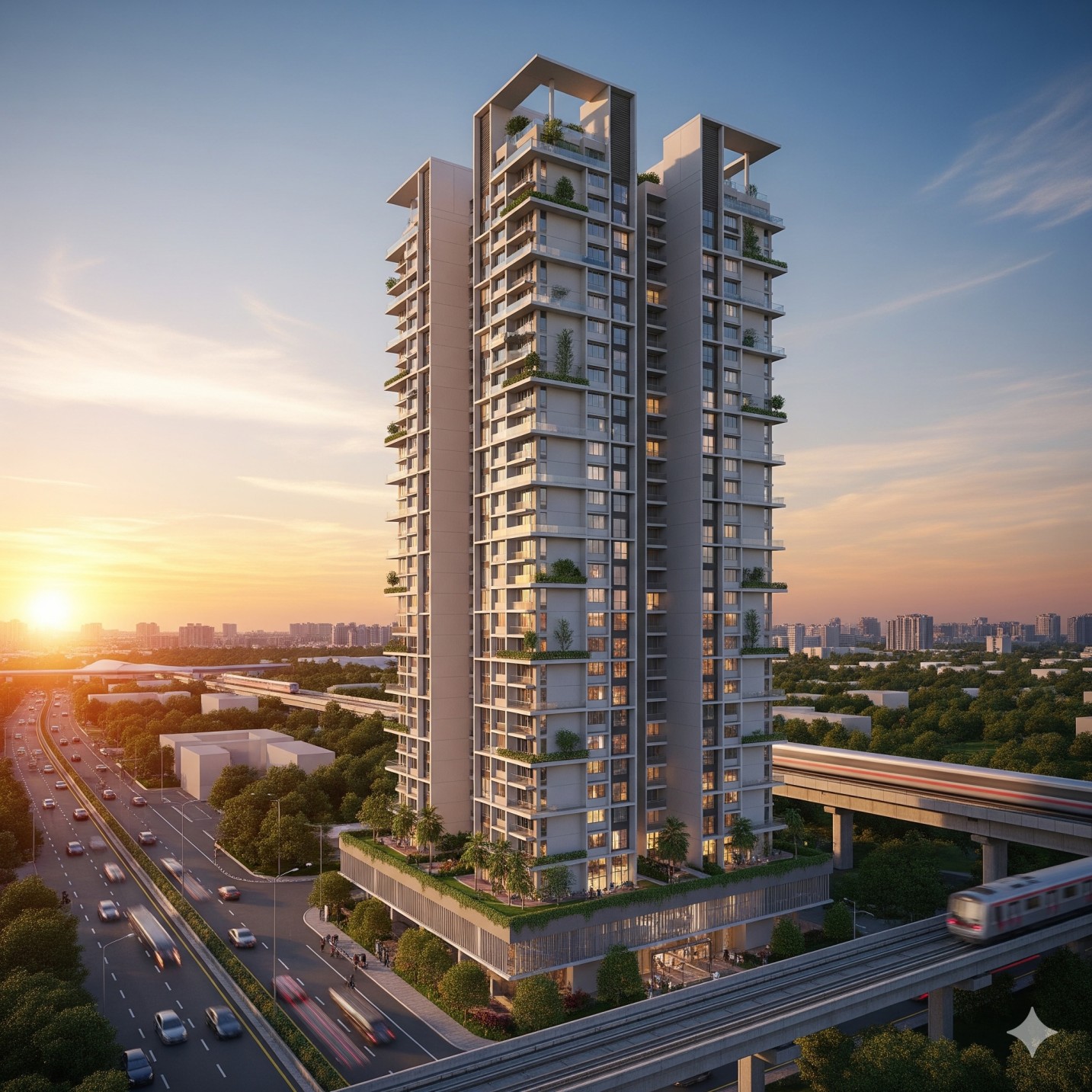
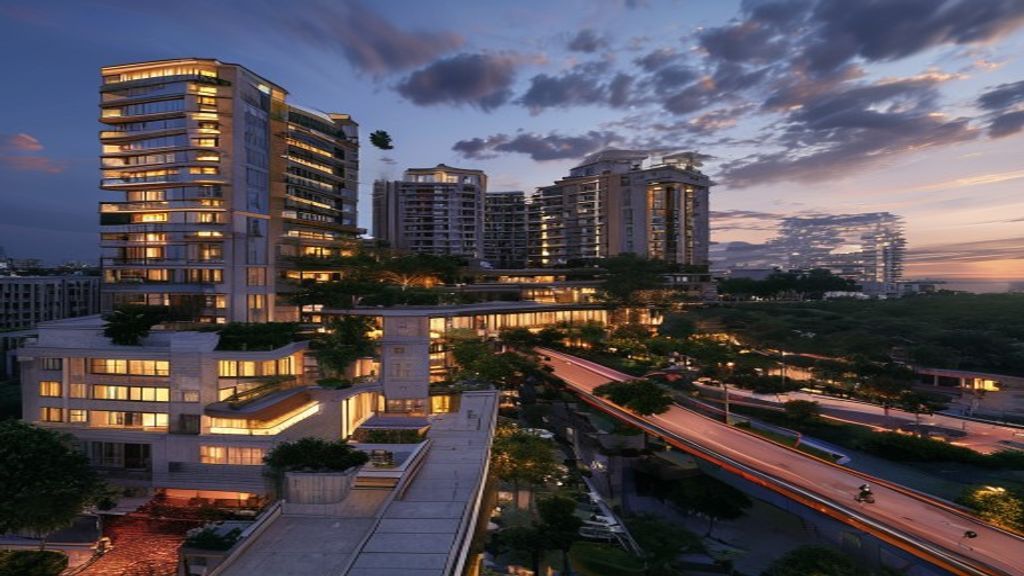
As the premium residential markets of core Delhi and Gurugram breach historic per-square-foot valuation ceilings, a distinct structural shift is occurring in the capital allocation strategies of Ultra-High-Net-Worth Individuals (UHNWIs). Vertical luxury condominiums, once the default vehicle for premium capital placement, are facing yield compression and high premium saturation. This has catalyzed a quiet but highly strategic migration of capital toward peripheral plotted developments and luxury farmhouses.
For sophisticated investors, the rationale extends far beyond lifestyle preferences. It is an exercise in asset-class diversification, portfolio hedging, and capturing raw land sovereignty before public infrastructure fully matures.
🌾 The Financial Case for Low-Density Sovereign Land
Investing in peripheral land and luxury farmhouses offers a fundamentally different risk-return profile compared to high-rise luxury apartments. While vertical luxury units provide near-term rental liquidity, their depreciating physical structures limit long-term terminal value growth. Conversely, low-density land investments represent a pure-play bet on land scarcity in a rapidly expanding metropolitan footprint.
📈 High-Rise Condos vs. Plotted Land: A Financial Matrix
- Capital Appreciation Dynamics: Raw land in peripheral growth corridors benefits directly from public infrastructure deployment, historically outperforming built structures over a 5-to-10-year horizon.
- Asset-Class Diversification: Plotted land offers unparalleled development flexibility, shielding investors from the structural depreciation and high maintenance overheads associated with high-density vertical projects.
- Sovereign Control: Land ownership provides absolute control over the physical asset, free from the collective governance risks of condominium associations and fluctuating common area maintenance charges.
🏗️ Structural Drivers Fueling the Peripheral Pivot
The demand surge for farmhouses and plots near Delhi NCR is not merely a cyclical trend; it is a structural evolution driven by changing macroeconomic realities. High-income families are increasingly valuing physical space, privacy, and ecological well-being—assets that high-density luxury high-rises struggle to deliver at scale.
🚗 Connectivity and Infrastructure Maturity
The rapid expansion of high-speed expressways, including the Dwarka Expressway, Southern Peripheral Road (SPR), and the Delhi-Mumbai Expressway corridor, has dramatically reduced commuting friction. What was once considered "remote" is now highly accessible, making luxury farmhouses a viable primary or secondary residence option for elite business leaders.
📊 Strategic Verdict for Elite Investors
For investment portfolios seeking long-term capital preservation and asymmetric upside, peripheral land ownership presents a highly compelling risk-adjusted proposition. While high-rise condominiums retain their place for immediate liquidity, the true long-term alpha is shifting toward low-density land banking.
To navigate this evolving market with institution-grade data and transactional intelligence, investors must look beyond speculative narratives.
Visit PropVeda to access the full forensic property report and unlock deep-market valuation analytics.
#DelhiNCRRealEstate #LandBanking #LuxuryProperty #UHNWInvestment