“Delhi-NCR has officially dethroned Mumbai as India's luxury housing capital, clocking a historic 17.6% YoY price surge. Explore the macroeconomic drivers, UHNWI capital reallocations, and forensic risk assessments of this monumental real estate shift.”
👑 The Paradigm Shift: Delhi-NCR's Rise to the Throne
For decades, Mumbai held an undisputed monopoly over India's ultra-luxury residential landscape. However, a structural macroeconomic shift has quietly executed a changing of the guard. According to the latest data from PropEquity, Delhi-NCR has officially emerged as India's luxury housing capital, registering an astronomical 17.6% year-on-year price surge. This is not merely a cyclical spike; it is a fundamental realignment of wealth distribution, lifestyle aspiration, and geographic preference among India’s Ultra-High-Net-Worth Individuals (UHNWIs).
Unlike Mumbai’s space-constrained, vertical luxury—where premium pricing is driven by land scarcity rather than spatial utility—Delhi-NCR offers a rare blend of massive acreage, world-class private infrastructure, and superior spatial volume. This geographic arbitrage has catalyzed a migration of private capital, positioning NCR as the premier destination for institutional and private real estate investment in South Asia.
💼 Capital Allocation Shifts Among UHNWIs
The contemporary Indian billionaire is no longer content with high-rise penthouses that offer limited privacy and restrictive footprints. The pandemic-induced premium on space has permanently altered the UHNWI checklist. Wealthy buyers are aggressively reallocating capital from traditional financial instruments and equity markets into tangible, high-yielding generational real estate assets.
🏢 The Demand for Sprawling Legacy Estates
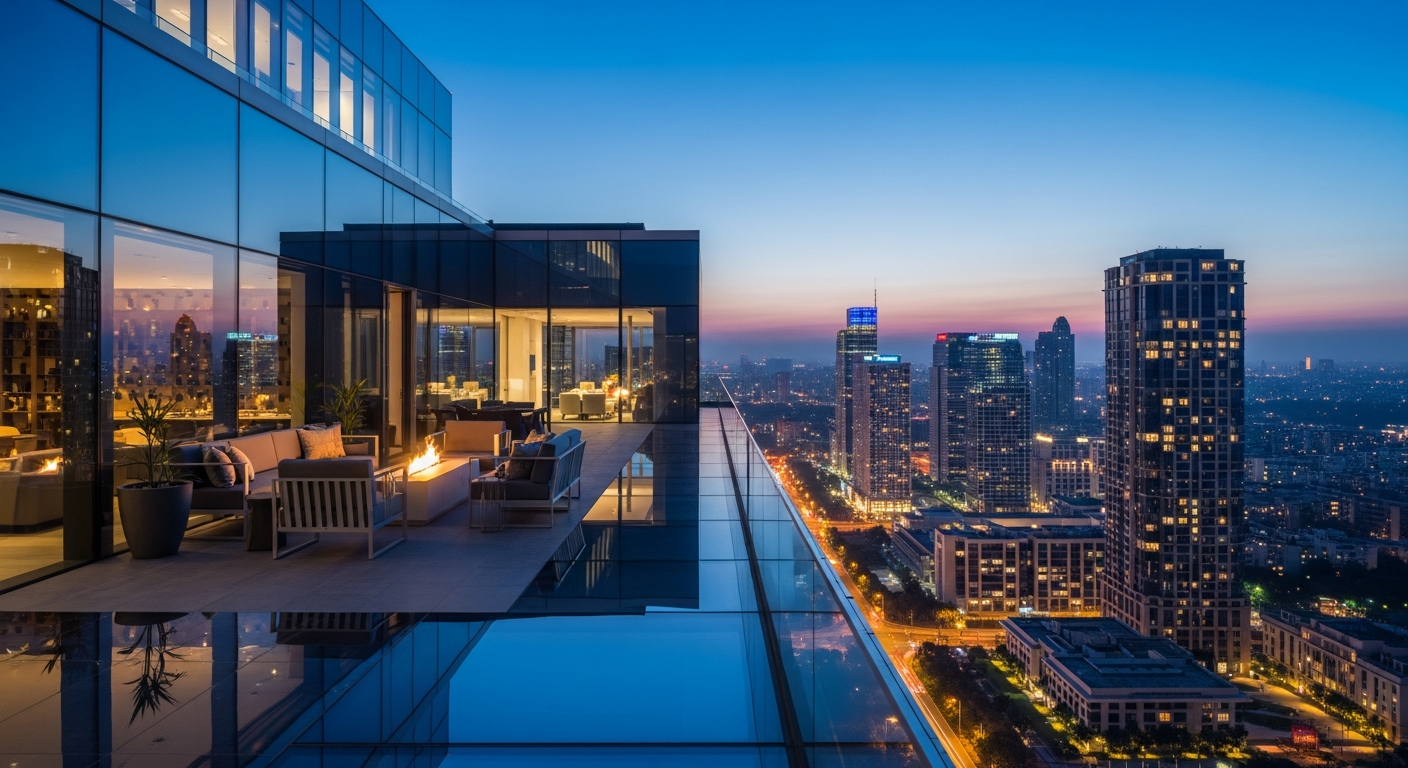
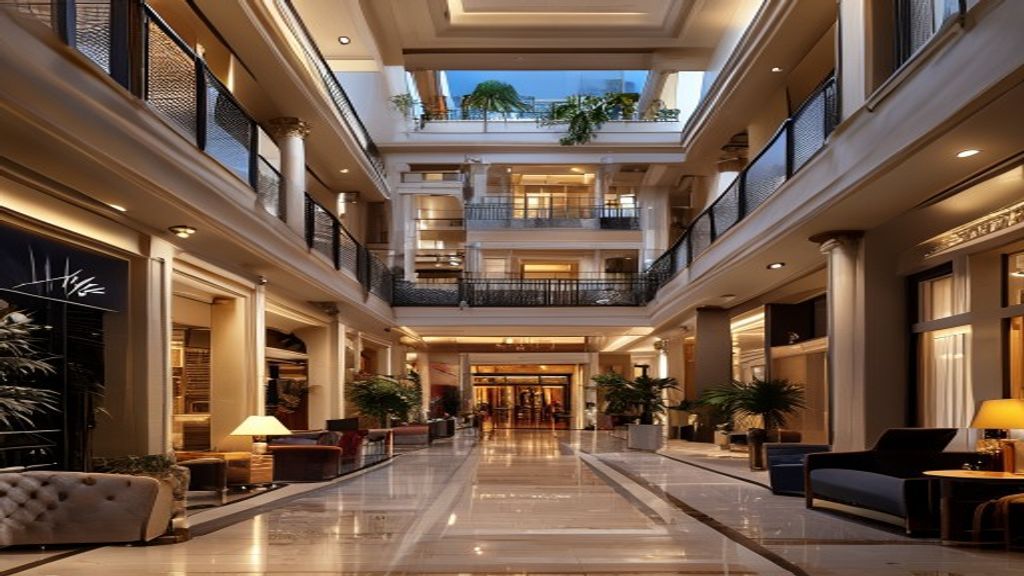
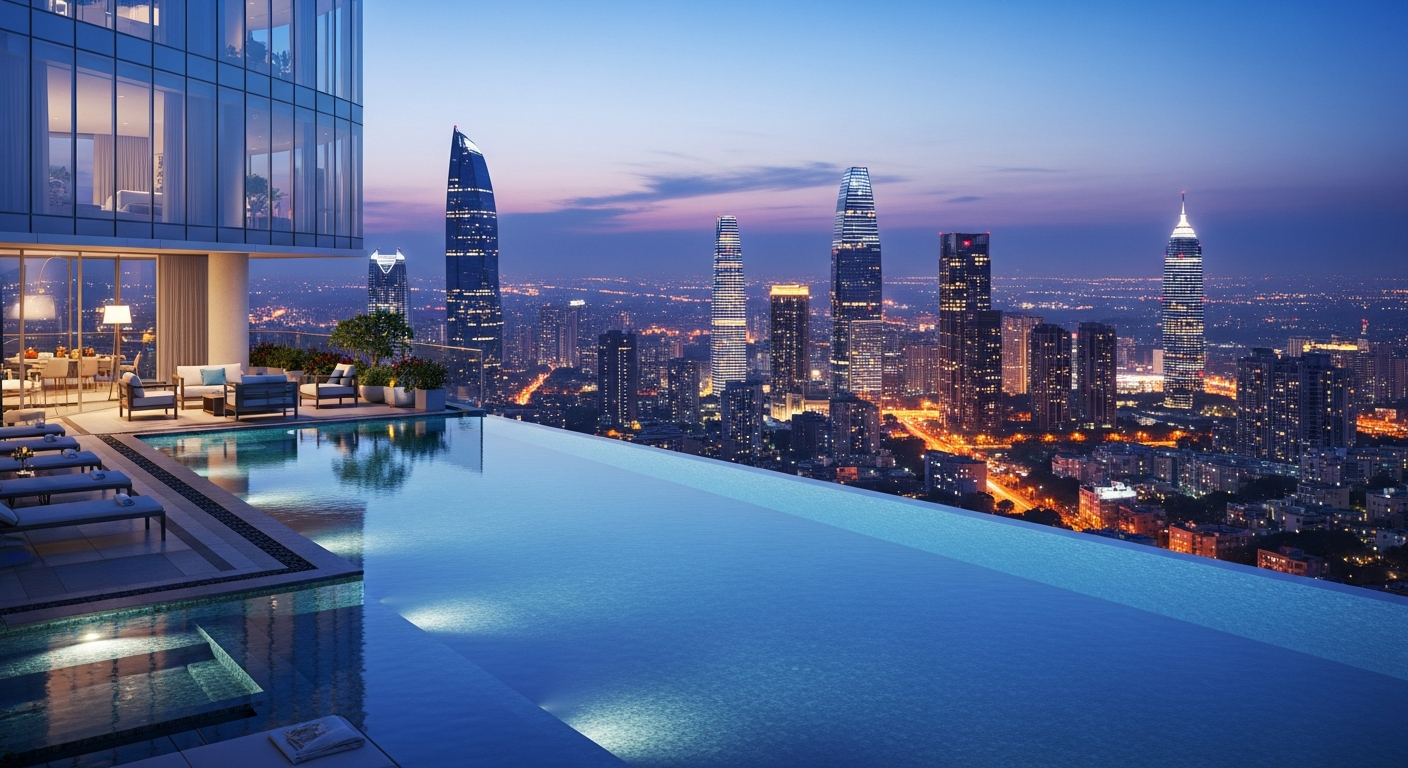
In micro-markets such as Gurugram’s Golf Course Road, DLF Phase V, and select pockets of New Delhi and Noida, demand has pivoted toward super-sized condominiums, duplexes, and gated villas. Investors are prioritizing ecosystem-driven luxury: private health clubs, multi-tiered security systems, dedicated concierge services, and sustainable, green-certified architectures. This shift represents a transition from buying mere 'apartments' to acquiring secure, self-sustaining family compounds.
🔄 Institutionalization of Private Wealth
We are observing a massive influx of capital from family offices, startup founders, top-tier corporate executives, and non-resident Indians (NRIs) who view Delhi-NCR as a highly liquid asset class with massive capital growth runway. The region's ability to absorb ultra-large ticket sizes—ranging from INR 15 Crore to upwards of INR 100 Crore—has cemented its status as a highly sophisticated investment sandbox.
📊 Dissecting the 17.6% YoY Surge: Structural Drivers vs. Speculation
A 17.6% year-on-year price appreciation naturally invites scrutiny. To understand whether this growth is sustainable, we must dissect the underlying structural drivers versus speculative market activity.
🛣️ Unprecedented Infrastructure Upgrades
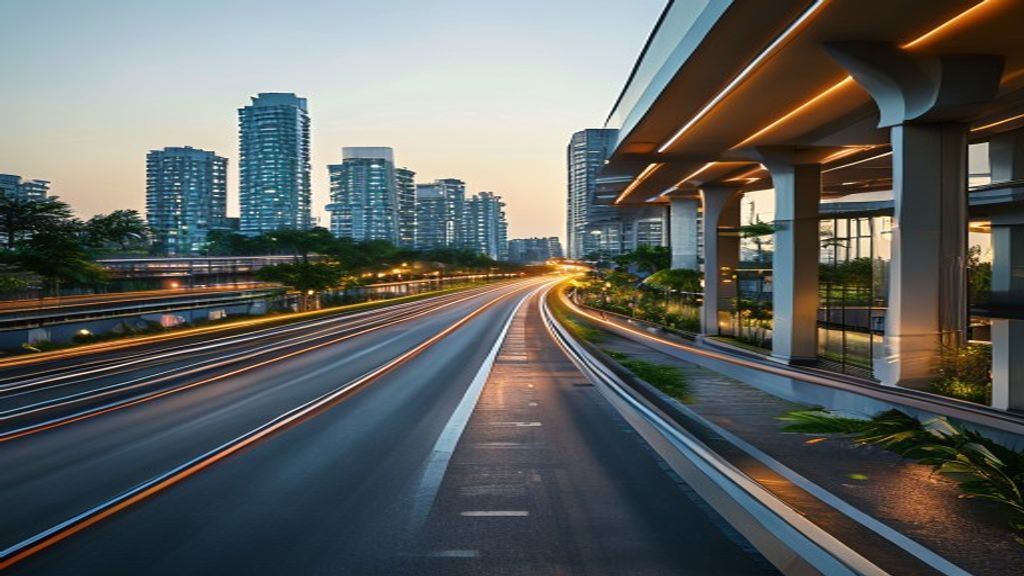
The hyper-appreciation in Delhi-NCR is anchored by tangible infrastructure milestones. The operationalization of the Dwarka Expressway, the expansion of the Delhi-Mumbai Industrial Corridor (DMIC), and the rapid progress of the Noida International Airport at Jewar have unlocked massive land parcels and dramatically reduced transit times. These connectivity corridors have de-risked investments, transforming peripheral zones into premier luxury micro-markets.
📉 The Price-to-Rent Paradox
From a traditional financial valuation perspective, the price-to-rent ratio in premium micro-markets remains heavily skewed. Rental yields in premium NCR complexes hover between 1.5% and 2.5%, while capital values soar. In a mature market, this divergence would signal a bubble. However, in Delhi-NCR, this is balanced by the 'wealth preservation' premium. High-net-worth buyers are not acquiring these properties for yield; they are acquiring them as capital preservation vaults against inflation and currency depreciation.
🔍 Risk Assessment: Wealth Consolidation or Speculative Bubble?
Is Delhi-NCR's luxury market heading toward a speculative correction? A forensic analysis of transaction velocity and buyer profiles reveals a highly resilient ecosystem built on actual end-user wealth consolidation rather than leveraged speculation.
🧱 Genuine End-User Capitulation
Unlike the speculative bubble of 2011-2013, which was driven by highly leveraged investors and unreliable developers, the current rally is dominated by cash-rich buyers and highly capitalized, tier-1 developers. Default risks are low, and leverage ratios are exceptionally conservative. Buyers are deploying equity over debt, drastically reducing the systemic risk of a sudden market correction.
⚠️ Potential Headwinds and Volatility
While the market remains fundamentally strong, selective overvaluation is occurring in secondary micro-markets where infrastructure development lags behind developer promises. Investors must exercise caution and conduct meticulous due diligence. Relying on superficial marketing materials rather than hard, localized data can lead to capital lock-ins in underperforming assets.
🔮 The Verdict for Sovereign Wealth and Private Capital
Delhi-NCR's ascension to the top of India’s luxury housing index is a structural reality. For sovereign wealth funds, institutional investors, and discerning UHNWIs, the region offers an unparalleled combination of liquidity, scale, and capital appreciation potential that Mumbai's saturated luxury market can no longer match.
Success in this high-performing market requires moving past the hype to analyze the underlying data. Understanding hyper-local land registries, developer debt-to-equity ratios, and municipal planning approvals is essential to maximizing returns.
To navigate this complex landscape with absolute institutional precision, visit PropVeda and secure your comprehensive, data-driven forensic property report today.
#DelhiNCRRealEstate #LuxuryHousingIndia #PropTech #UHNWI #RealEstateInvesting