“India commands APAC's branded residences sector with an unprecedented ₹92,000-crore pipeline. Discover why Delhi-NCR is the epicenter and how hospitality-backed luxury commands 25–35% valuation premiums.”
The ₹92,000-Crore Paradigm: How Delhi-NCR and Branded Residences Are Redefining APAC Real Estate
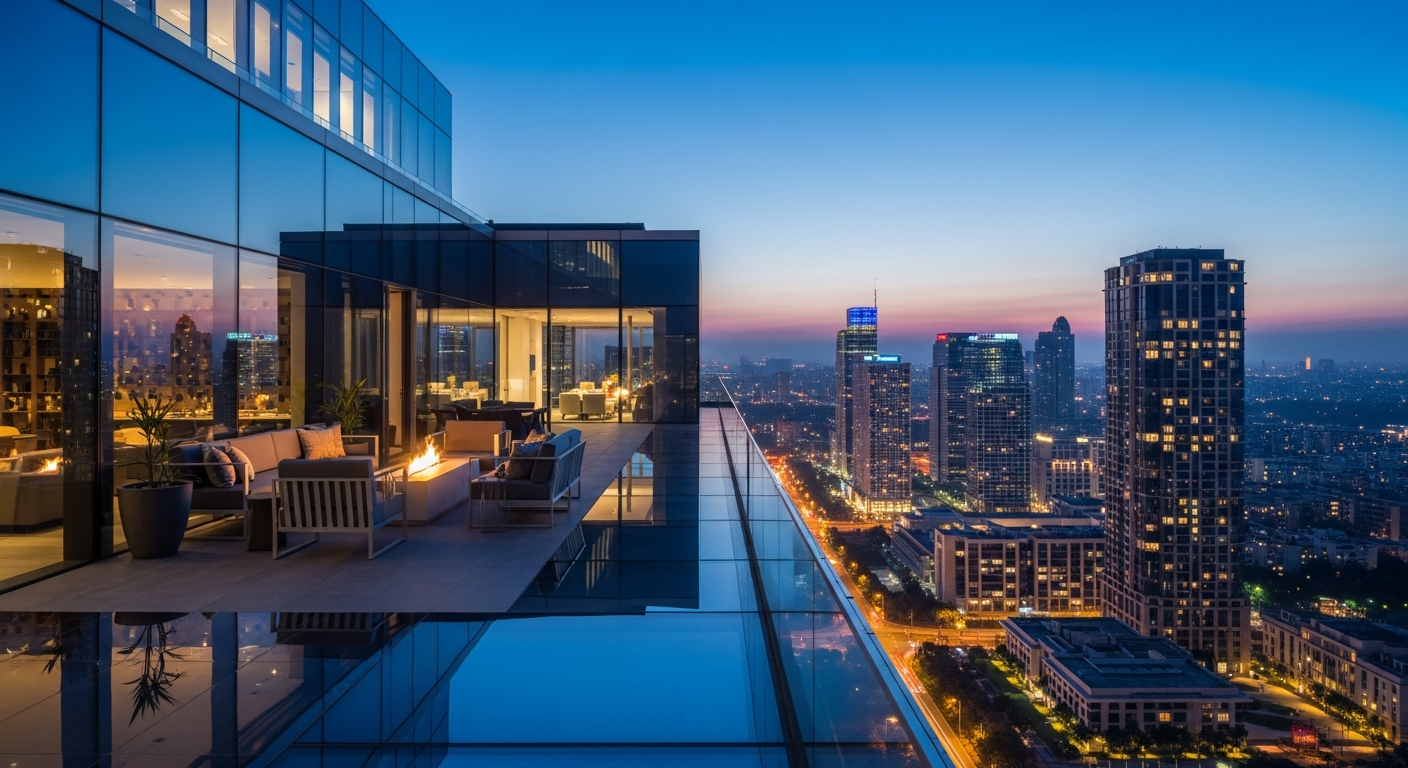
The paradigm of luxury Indian real estate has fundamentally shifted. Long defined by commoditized sprawl and speculative super-built areas, the ultra-high-net-worth individual (UHNI) segment is orchestrating an unprecedented capital rotation into institutionalized, hospitality-serviced living. Recent market data reveals that India has ascended to the pinnacle of the Asia-Pacific (APAC) branded residences landscape, accumulating an aggregate market pipeline valued at an astounding ₹92,000 crore. At the core of this seismic transition sits Delhi-NCR, now commanding the highest project concentration across the region.
This is not merely an aesthetic evolution; it is a structural recalculation of risk-adjusted real estate yield, capital preservation, and brand equity monetization.
🏛️ The Deconstruction of the ₹92,000-Crore Milestone
Historically, emerging Asian economies funneled private wealth into prime unbranded penthouses and bespoke bungalows. However, mature capital inevitably seeks institutional operational standards. India's ascent over traditional regional powerhouses—such as Bangkok, Phuket, and Dubai—reflects a domestic compounding of ultra-wealth seeking globally recognized operational governance.
The ₹92,000-crore valuation is underpinned by three macroeconomic catalysts:
- Exponential UHNI Wealth Creation: Domestic equity market liquidity, sovereign infrastructure expansion, and corporate balance sheet deleveraging have expanded the Indian family office balance sheet.
- Flight to Governance: The post-RERA regulatory framework dismantled legacy developer dominance, establishing a premium on transparent, legally defensible, institutional-grade master developments.
- Asset Monetization Efficiency: Leading hospitality conglomerates—from Marriott International and Accor to standalone luxury marques—have identified India as their most lucrative global growth corridor for non-balance-sheet licensing revenues.
🤝 The Economics of the 25–35% Hospitality Premium
In classical valuation models, real estate pricing correlates directly with micro-market land costs, replacement cost metrics, and infrastructure delivery. Branded residences break this mold by unlocking a structural 25% to 35% pricing premium over neighboring unbranded prime assets.
How is this alpha economically synthesized?
1. The Brand Moat & De-risking Absorption
For developers, partnering with a luxury hotel flag creates an instant reputational moat. Pre-sales velocity accelerates significantly, decreasing working capital debt drag and shielding the capital stack from standard cyclical downturns.
2. Lifetime Operational Continuity
Unbranded luxury housing decays rapidly when residents' associations fail to maintain complex physical plants, facade integrity, and high-spec MEP engineering. Branded residences solve this agency problem through mandatory, professionalized facility management agreements, preserving asset quality over decades.
3. Yield Compression via Serviced Rental Pools
Owners benefit from integrated rental management programs. When monetized through the brand’s global distribution system (GDS), these assets achieve 40–60% higher gross yields than standard long-term unbranded residential leases, commanding sovereign-grade ADRs (Average Daily Rates) from executive business travelers and diplomatic corps.
📍 Delhi-NCR: The Uncontested Epicenter of APAC’s Branded Assets
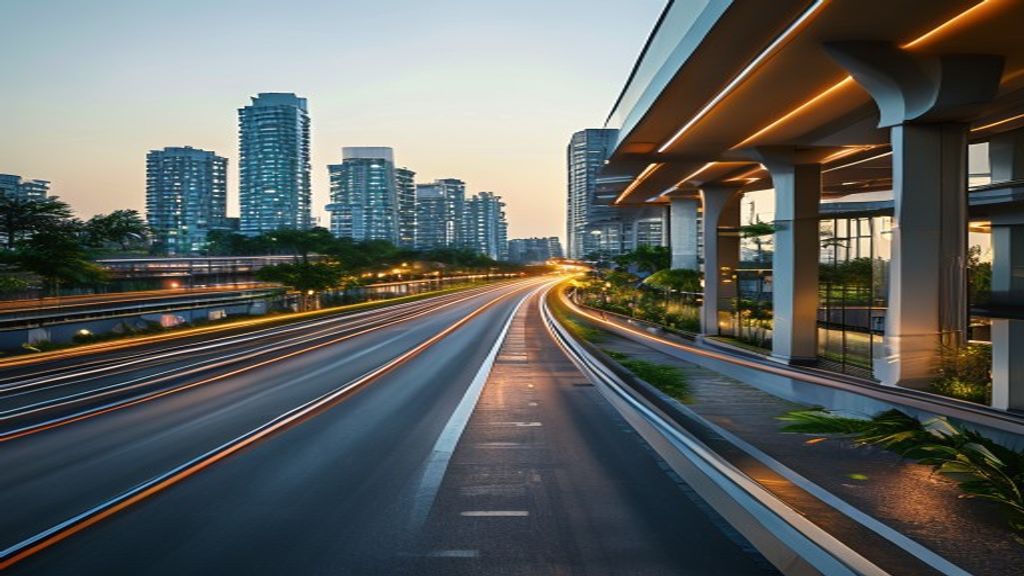
While South Mumbai has long claimed India's highest per-square-foot baseline, Delhi-NCR has definitively captured the volume and project pipeline of branded living across APAC. The micro-markets of Golf Course Extension Road, Southern Peripheral Road (SPR), and Dwarka Expressway have evolved into prime testing grounds for institutional developer-hospitality consortiums.
Delhi-NCR's supremacy stems from three structural realities:
- Consolidated Land Parcels: Unlike the fragmented, vertical constraints of Mumbai or the micro-plot restrictions of Central Bengaluru, Gurugram and Noida offer large-scale contiguous land banks capable of accommodating sprawling 10- to 25-acre integrated hospitality master plans.
- Industrial & Political Elite Convergence: Delhi-NCR houses the highest density of multi-generational industrial dynasties, cross-border corporate headquarters, and high-ranking bureaucratic corridors, creating an insatiable appetite for high-security, ultra-serviced enclave living.
- Infrastructural Arteries: Proximity to the transformed IGI Airport terminal complexes, high-speed regional expressways, and urban transit nodes provides the baseline physical infrastructure required by global hospitality flags before signing 30-year operational covenants.
📈 Asymmetric Upside: Risk-Adjusted Returns for Ultra-HNIs
For family offices and institutional private wealth managers, branded residences function as a defensive store of value offering asymmetric upside. During macro liquidity contractions, commoditized luxury developments face acute illiquidity and margin compression. Conversely, branded assets exhibit superior price resilience.
Secondary market velocity for branded residences consistently outperforms unbranded peers. Institutional liquidity prefers standardized, internationally audited assets where property management, physical security, concierge infrastructure, and environmental standards are assured by a third-party global custodian. The branded asset essentially converts real estate from a static, depreciating physical structure into an actively managed financial asset class.
🔄 The Structural Shift: From Square Footage to Managed Real Estate Assets
The contemporary Indian buyer no longer evaluates real estate purely on an aggregate carpet-area calculation. The focus has decisively pivoted toward lifestyle velocity and managed capital preservation.
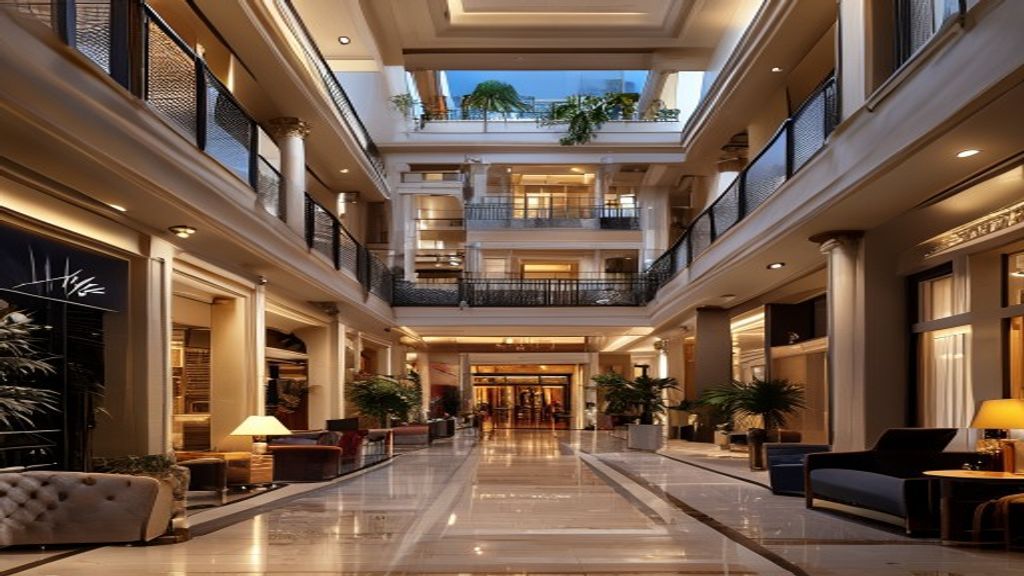
As corporate founders, PE partners, and next-generation family office heirs evaluate allocations, the opportunity cost of self-managing luxury infrastructure is deemed unviable. Branded residences solve this through integrated white-glove logistics, private aviation coordination, Michelin-level private dining, and rigorous wellness ecosystems—all managed under global operational service-level agreements (SLAs).
🛡️ Forensic Verification: Mitigating the Developer-Brand Asymmetry
Despite the undeniable market tailwinds, not all branded projects offer equal intrinsic value. Sophisticated allocators must parse the precise legal architecture governing the developer-brand relationship:
- Is the arrangement an integrated Operational Management Agreement (OMA) or merely a cosmetic, short-tenor Brand Licensing Agreement?
- Does the developer possess the institutional balance-sheet strength to complete the asset to the brand’s non-negotiable architectural specifications without diluting standards mid-stream?
- What are the terminal maintenance escrow covenants to insulate the property from operational degradation 15 years post-handover?
Navigating this complex landscape requires forensic technical diligence, balance sheet scrutiny, and legal cross-examination of developer track records before deploying private capital into super-prime real estate.
To access institutional-grade diligence, deep-dive micro-market analytics, and uncover the real risk-adjusted metrics behind India’s leading branded residential corridors, visit PropVeda for your comprehensive forensic property report.
#BrandedResidences #UltraLuxuryRealEstate #DelhiNCRRealEstate #PropTech #RealEstateEconomics